


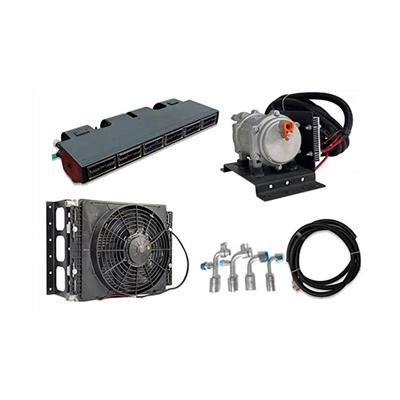
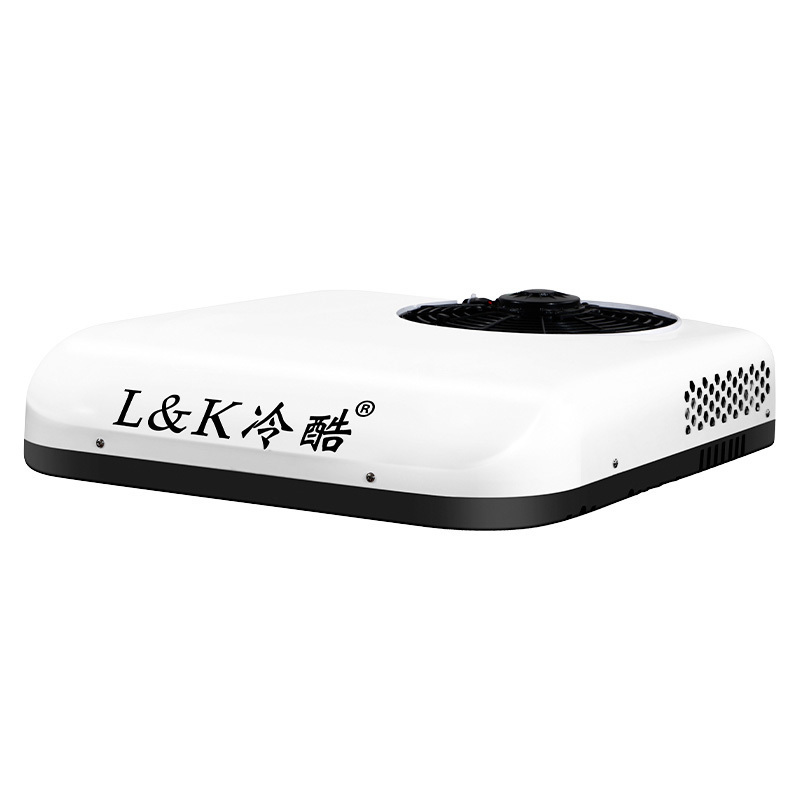


Our parking air conditioners are widely used in passenger cars, engineering vehicles, RVs, light trucks, harvesters,Special models such as commercial vehicles and new energy vehicles.
Maximize Comfort: Understanding the Benefits of a Parking Diesel Heater
Maximize Comfort: Understanding the Benefits of a Parking Diesel Heater
Table of Contents
- 1. Introduction to Parking Diesel Heaters
- 2. What Is a Parking Diesel Heater?
- 3. How Does a Parking Diesel Heater Work?
- 4. Benefits of Parking Diesel Heaters
- 4.1 Enhanced Comfort
- 4.2 Fuel Efficiency
- 4.3 Engine Longevity
- 4.4 Environmental Impact
- 4.5 Versatility
- 5. Installation and Maintenance of Parking Diesel Heaters
- 6. Common Misconceptions About Parking Diesel Heaters
- 7. Frequently Asked Questions
- 8. Conclusion
1. Introduction to Parking Diesel Heaters
As winter approaches, many vehicle owners seek effective solutions to combat the biting cold. Parking diesel heaters have emerged as a popular choice for those wanting to maximize comfort in their vehicles. These innovative devices not only provide warmth but also enhance overall vehicle performance. Understanding how parking diesel heaters work and the benefits they offer can help you make an informed decision about your heating needs.
2. What Is a Parking Diesel Heater?
A parking diesel heater is a specialized heating device designed for diesel-powered vehicles. Unlike traditional heaters that rely on the engine's heat, these heaters operate independently to warm the cabin and the engine before you even start your vehicle. This unique feature allows for a comfortable interior environment in frigid conditions, increasing convenience and comfort for drivers and passengers alike.
3. How Does a Parking Diesel Heater Work?
Parking diesel heaters operate using diesel fuel from the vehicle's tank. They utilize a combustion chamber to burn the fuel, producing hot air or fluid that is then circulated through the vehicle's heating system. By using a small amount of fuel, these heaters can efficiently raise the temperature inside the cabin without running the engine, significantly reducing the wear and tear on engine components.
The basic operation of a parking diesel heater can be broken down into key steps:
1. **Fuel Supply**: The heater draws diesel fuel from the vehicle's tank.
2. **Air Intake**: Fresh air is drawn into the combustion chamber.
3. **Combustion Process**: The fuel is ignited, generating heat.
4. **Heat Distribution**: Hot air or fluid is directed into the cabin or the engine block, providing warmth.
This entire process can be controlled via a timer or remote, allowing you to preheat your vehicle before you even step inside.
4. Benefits of Parking Diesel Heaters
4.1 Enhanced Comfort
One of the most significant advantages of parking diesel heaters is the **enhanced comfort** they provide. With these heaters, you can enjoy a warm and cozy interior even on the coldest nights. This is particularly beneficial for individuals who spend long hours in their vehicles, such as truck drivers or those working outdoors.
4.2 Fuel Efficiency
Parking diesel heaters are designed to be fuel-efficient. They consume only a minimal amount of diesel fuel to operate, which means that you can enjoy the benefits of a warm vehicle without a significant increase in fuel costs. This is especially important for long-haul drivers or those who frequently park their vehicles for extended periods.
4.3 Engine Longevity
By preheating the engine before starting, parking diesel heaters can help maintain optimal operating temperatures. This helps reduce engine wear and tear, extending the overall lifespan of your vehicle. Moreover, starting a warmed-up engine puts less strain on the engine components, reducing the risk of damage and costly repairs.
4.4 Environmental Impact
Parking diesel heaters are generally more environmentally friendly than idling your vehicle to stay warm. They produce fewer emissions and are designed to operate cleanly. By utilizing these heaters, you contribute to reducing your carbon footprint while enjoying the comforts of a warm vehicle.
4.5 Versatility
Another notable benefit of parking diesel heaters is their versatility. They can be installed in various types of diesel vehicles, including trucks, buses, and recreational vehicles (RVs). This versatility makes them a popular choice for fleet operators looking to boost overall comfort and efficiency across their vehicle lineup.
5. Installation and Maintenance of Parking Diesel Heaters
Installing a parking diesel heater may seem daunting, but it can be straightforward with the right tools and knowledge. Professional installation is often recommended to ensure optimal performance and safety. Here are some key points to consider:
- **Professional Installation**: Hiring a professional can help ensure that the heater is installed correctly, adhering to safety standards.
- **Maintenance**: Regular maintenance is essential for the longevity of the heater. Routine checks of fuel lines, filters, and combustion chambers can help prevent issues.
- **User Manual**: Always refer to the manufacturer's user manual for specific installation and maintenance guidelines.
Keeping your parking diesel heater well-maintained will ensure that it operates efficiently and effectively for many winters to come.
6. Common Misconceptions About Parking Diesel Heaters
Despite their popularity, there are several misconceptions about parking diesel heaters that can deter potential users:
- **They Are Expensive to Operate**: Many believe that running a diesel heater will drastically increase fuel costs. In reality, they are designed to be fuel-efficient, consuming only a small amount of diesel.
- **They Are Difficult to Install**: While installation may require specific expertise, many vehicles are compatible with parking diesel heaters, and professional installation can simplify the process.
- **They Are Noisy**: Another misconception is that these heaters operate noisily. Most modern diesel heaters are engineered for quiet operation, ensuring a peaceful environment.
Understanding these misconceptions can help you make a more informed decision about investing in a parking diesel heater.
7. Frequently Asked Questions
1. How long can parking diesel heaters run?
Parking diesel heaters can typically run for several hours on a single tank of fuel, depending on the model and settings. Most units can operate efficiently for up to 8-10 hours at a time.
2. Can I use a parking diesel heater while driving?
Yes, many parking diesel heaters can be used while driving, providing additional warmth during your journey.
3. Are parking diesel heaters safe?
When installed correctly and maintained properly, parking diesel heaters are considered safe to use. Always follow the manufacturer’s guidelines for safety.
4. How much does it cost to install a parking diesel heater?
Installation costs can vary based on the model and vehicle type. On average, you can expect to pay between $500 to $1,500 for professional installation.
5. Do parking diesel heaters require special fuel?
Most parking diesel heaters operate using regular diesel fuel. Some may also be compatible with kerosene, but always check the manufacturer’s recommendations.
8. Conclusion
Parking diesel heaters are an invaluable addition for anyone looking to maximize comfort and efficiency during the colder months. By understanding how these heaters function and their numerous benefits, you can enhance your driving experience significantly. With enhanced comfort, improved fuel efficiency, and extended engine longevity, investing in a parking diesel heater is a decision that pays off in countless ways. Whether you're a long-haul truck driver or someone who uses their vehicle for recreation, a parking diesel heater is a smart choice to keep you warm and comfortable regardless of the weather outside.



Phone/WhatsApp:
About Us
A leading new energy air conditioning manufacturer that has obtained IATF16949 quality certification and EU certification.
HUATAO GROUP


Leave Message
Leave your contact information and get a free product quote
SAF Coolest v1.3.1.2 设置面板 OJRSD-ZMOB-MDAXE-ZZE
违禁词: 第一,最,一流,领先,独一无二,王者,龙头,领导者,极致,
无数据提示
Sorry, the current column is being updated, so stay tuned!