


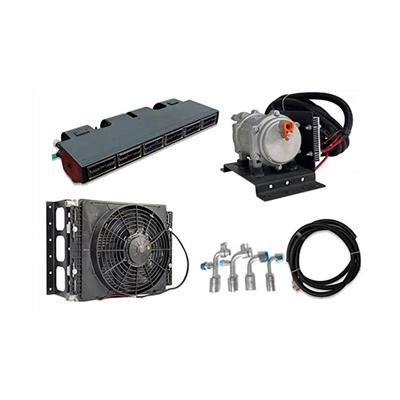
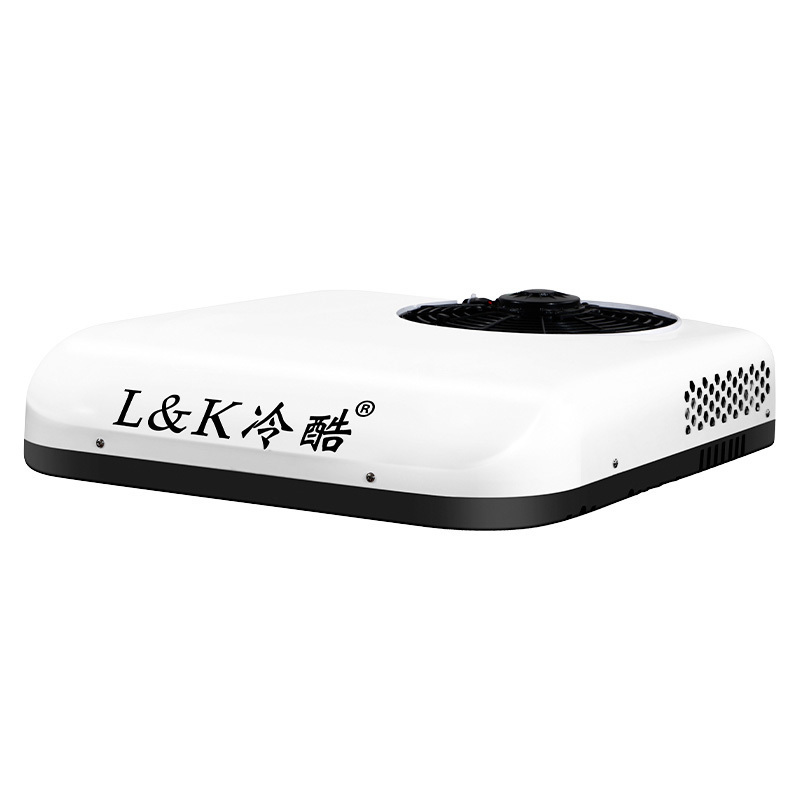


Our parking air conditioners are widely used in passenger cars, engineering vehicles, RVs, light trucks, harvesters,Special models such as commercial vehicles and new energy vehicles.
Maximizing Comfort: Essential Insights on Parking Air Conditioners
Parking air conditioners (PACs) are specialized cooling systems designed primarily for vehicles, such as trucks, buses, and recreational vehicles. Unlike traditional air conditioning units, which rely on the vehicle's engine for power, parking air conditioners are designed to operate independently, providing comfort without the need for the engine to run. This functionality is particularly beneficial for maintaining a comfortable temperature in parked vehicles, especially in extreme weather conditions.
One significant advantage of parking air conditioners is their energy efficiency. Most PACs utilize advanced technology to minimize energy consumption while maximizing cooling output. Many models are equipped with energy-saving features, such as timers and temperature sensors, allowing users to pre-set cooling periods and maintain the desired temperature without overusing energy. This consideration is essential for professionals looking to reduce operating costs and environmental impact.
When selecting a parking air conditioner, several technical specifications should be considered. The cooling capacity, typically measured in BTUs (British Thermal Units), is a critical parameter that determines the unit's effectiveness in cooling a specific space. Professionals should evaluate the size of the vehicle and the typical climate conditions in which it will be used to select a PAC with adequate cooling capacity.
Moreover, installation options play a vital role in the overall effectiveness of parking air conditioners. Some models may require professional installation, while others can be installed with minimal tools and expertise. It's essential to review the installation requirements and ensure that the unit fits seamlessly into the vehicle's existing systems. Proper installation not only enhances performance but also extends the lifespan of the unit.
Another important aspect is the maintenance of parking air conditioners. Regular maintenance is crucial for ensuring optimal performance and longevity. This includes cleaning or replacing filters, checking refrigerant levels, and inspecting electrical connections. Professionals should establish a maintenance schedule to avoid unexpected failures and ensure reliable operation.
In addition to performance and maintenance, it’s crucial to consider the noise levels of parking air conditioners. Many modern units are designed with noise reduction technology, making them quieter during operation. This feature is particularly important for users who value a peaceful environment while parked.
In summary, parking air conditioners represent a valuable investment for enhancing comfort in parked vehicles. By focusing on energy efficiency, proper specifications, installation, and maintenance, professionals can make informed decisions that lead to optimal performance and satisfaction. Understanding these aspects of parking air conditioners will ensure a comfortable climate control solution for various applications.



Phone/WhatsApp:
About Us
A leading new energy air conditioning manufacturer that has obtained IATF16949 quality certification and EU certification.
HUATAO GROUP


Leave Message
Leave your contact information and get a free product quote
SAF Coolest v1.3.1.2 设置面板 OJRSD-ZMOB-MDAXE-ZZE
违禁词: 第一,最,一流,领先,独一无二,王者,龙头,领导者,极致,
无数据提示
Sorry, the current column is being updated, so stay tuned!