


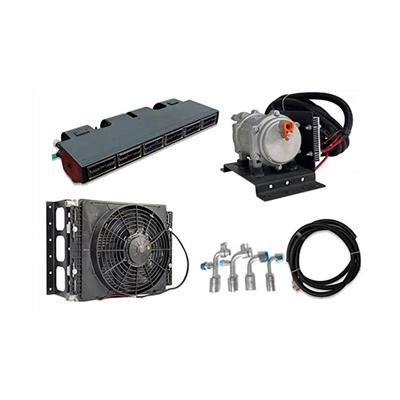



Our parking air conditioners are widely used in passenger cars, engineering vehicles, RVs, light trucks, harvesters,Special models such as commercial vehicles and new energy vehicles.
Discover the Benefits of Special Vehicle Parking Heaters for Cold Weather
Discover the Benefits of Special Vehicle Parking Heaters for Cold Weather
Table of Contents
- What Are Special Vehicle Parking Heaters?
- How Do Parking Heaters Work?
- The Benefits of Using Parking Heaters
- Types of Special Vehicle Parking Heaters
- Installation and Maintenance of Parking Heaters
- Common Misconceptions about Parking Heaters
- Frequently Asked Questions
- Conclusion
What Are Special Vehicle Parking Heaters?
Special vehicle parking heaters are heating systems designed to warm the interior of a vehicle while it is parked. Unlike traditional vehicle heating systems, which utilize the engine's heat while the vehicle is running, parking heaters operate independently of the engine. They can be powered by various fuel sources or electricity, providing reliable warmth even in the harshest winter conditions.
How Do Parking Heaters Work?
Parking heaters operate by drawing fuel or electricity to generate heat. The mechanism typically involves the following steps:
1. **Fuel or Electricity Supply**: The heater receives its power source. Fuel-powered heaters draw from the vehicle's fuel tank, while electric heaters connect to the vehicle's battery or an external power source.
2. **Combustion or Resistance Heating**: Fuel-powered heaters use a combustion chamber to ignite the fuel, producing hot air. Electric heaters utilize resistance heating to generate warmth.
3. **Heat Distribution**: The generated heat is then circulated throughout the vehicle's cabin, ensuring a warm and comfortable environment upon entry.
The Benefits of Using Parking Heaters
Parking heaters offer numerous advantages that make them an essential addition for any vehicle owner facing cold weather conditions.
Comfort and Convenience
One of the primary benefits of special vehicle parking heaters is the comfort they provide. Imagine stepping into a car that is already warm and inviting instead of facing the chilling cold. This convenience is particularly valuable for those who need to start their day quickly without the hassle of waiting for the engine to warm up.
Enhanced Engine Life
Starting a cold engine can lead to increased wear and tear over time. Parking heaters reduce the number of cold starts by warming the engine coolant before the vehicle is driven. This preconditioning can significantly reduce engine wear, prolonging the life of vital components and ensuring optimal performance.
Fuel Efficiency
Using a parking heater before starting your vehicle can also improve fuel efficiency. By pre-heating the engine and cabin, the vehicle requires less fuel to reach operating temperature. This translates to savings on fuel costs over time, making parking heaters a financially sound investment.
Safety Advantages
Cold weather can create hazardous driving conditions due to ice and snow buildup on windows and surfaces. Parking heaters help defrost the windshield and other surfaces, improving visibility and safety when hitting the road. In addition, a warm vehicle reduces the risk of frostbite or cold stress when entering the car.
Types of Special Vehicle Parking Heaters
When exploring parking heaters, it is essential to understand the different types available, each with unique features and benefits.
Fuel-Powered Heaters
Fuel-powered parking heaters draw fuel directly from the vehicle's tank. They are often more powerful than their electric counterparts and can provide significant heating capabilities in extreme cold. These heaters are ideal for larger vehicles or harsh winter climates.
Electric Parking Heaters
Electric parking heaters are generally easier to install and maintain than fuel-powered models. They can be plugged into standard electrical outlets or powered by the vehicle's battery. While they may not produce as much heat as fuel-powered options, they are perfect for mild to moderate cold conditions.
Installation and Maintenance of Parking Heaters
Proper installation and routine maintenance of parking heaters are crucial to ensure their efficiency and longevity.
Installation Process
The installation of a parking heater may vary based on the type chosen and the vehicle model. Generally, it involves the following steps:
1. **Selecting a Suitable Location**: The heater must be installed in an accessible area within the vehicle, allowing for proper air circulation.
2. **Connecting to Power Source**: Whether it’s fuel or electricity, the heater needs to be connected securely to its power source.
3. **Wiring and Controls**: Wiring the heater to the vehicle’s control system is essential, ensuring it can be activated easily from inside the cabin.
It is advisable to have a professional technician perform the installation to ensure it complies with safety standards.
Maintenance Tips
To keep parking heaters functioning optimally, regular maintenance is necessary. Here are some helpful tips:
- **Inspect Fuel Lines and Connections**: Periodically check for leaks or wear.
- **Clean Filters and Vents**: Ensure that the air filters and heating vents are free from dirt and debris.
- **Check Electrical Connections**: Ensure all wiring is intact and secure to prevent electrical issues.
Common Misconceptions about Parking Heaters
There are many myths surrounding parking heaters that can deter potential users. Here, we debunk some of the most common misconceptions.
Myth 1: Parking Heaters Drain the Battery
While it is true that parking heaters consume power, they are designed to operate efficiently. Most models are engineered to minimize battery drain, making them safe for use, especially when maintaining a warm vehicle overnight.
Myth 2: Only Necessary in Extremely Cold Weather
Many believe parking heaters are only beneficial in extreme cold. However, even in mild winter conditions, parking heaters can improve comfort and safety by ensuring a warm start.
Myth 3: Installation is Complicated
While professional installation is recommended, many users find that installation is straightforward with the right guidance. Many manufacturers provide detailed instructions to assist DIY enthusiasts.
Frequently Asked Questions
1. Can I install a parking heater myself?
Yes, but professional installation is recommended to ensure safety and compliance with regulations.
2. How long does it take for a parking heater to warm up?
It typically takes 10 to 30 minutes for a parking heater to warm the cabin, depending on the model and outside temperature.
3. Are parking heaters suitable for all vehicle types?
Most parking heaters are designed to fit various vehicles, including cars, trucks, and vans. Always check compatibility with your specific model.
4. Can I use a parking heater while my vehicle is running?
Parking heaters are intended for use when the vehicle is parked. Using them while driving is not advisable.
5. How often should I service my parking heater?
It is recommended to service parking heaters annually to ensure performance and safety.
Conclusion
Special vehicle parking heaters offer significant benefits for those enduring cold weather conditions. From enhanced comfort and safety to improved vehicle performance and efficiency, these heaters are an invaluable investment for vehicle owners. Understanding their functionality, types, and installation requirements can help you make an informed decision. As winter approaches, equipping your vehicle with a parking heater will ensure you stay warm and ready to tackle the challenges of cold weather with ease.
Previous



Phone/WhatsApp:
About Us
A leading new energy air conditioning manufacturer that has obtained IATF16949 quality certification and EU certification.
HUATAO GROUP


Leave Message
Leave your contact information and get a free product quote
SAF Coolest v1.3.1.2 设置面板 OJRSD-ZMOB-MDAXE-ZZE
违禁词: 第一,最,一流,领先,独一无二,王者,龙头,领导者,极致,
无数据提示
Sorry, the current column is being updated, so stay tuned!