


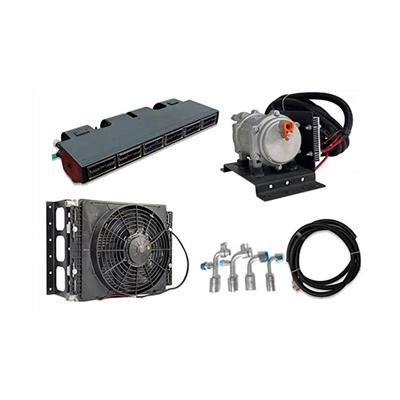
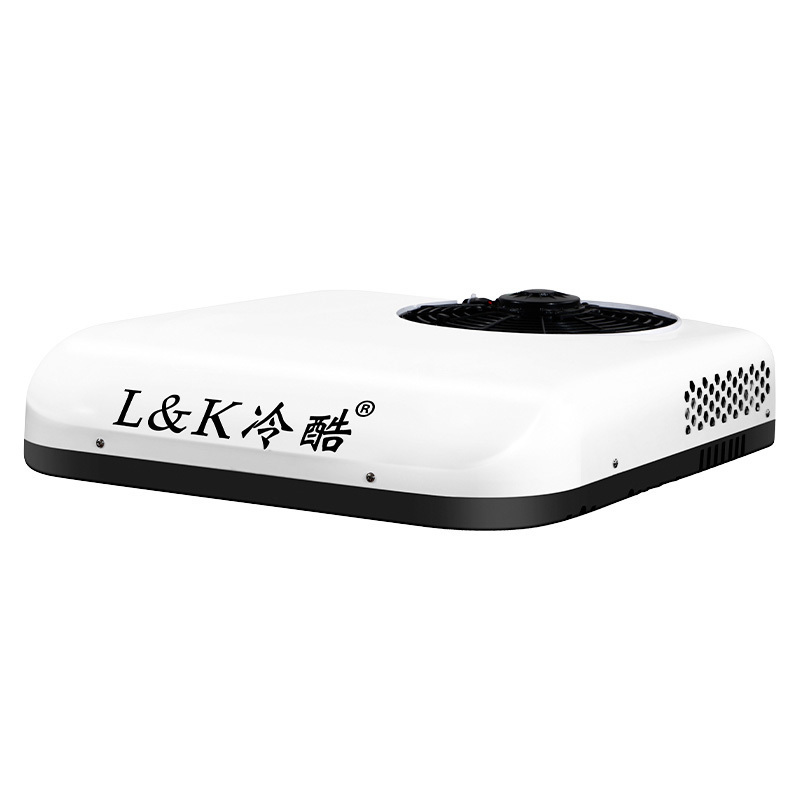


Our parking air conditioners are widely used in passenger cars, engineering vehicles, RVs, light trucks, harvesters,Special models such as commercial vehicles and new energy vehicles.
How to Enhance Your Tractor with a Conversion Air Conditioner
How to Enhance Your Tractor with a Conversion Air Conditioner
Introduction to Tractor Air Conditioning
In the world of agriculture, the comfort of operators is often overlooked. *Enhancing your tractor with a conversion air conditioner* not only increases productivity but also improves overall well-being during long hours in the field. Just imagine stepping into a cool, refreshing environment instead of battling the heat. Tractor air conditioning systems are designed to provide relief from oppressive temperatures while ensuring you can focus on your work without the distraction of discomfort.
Why Invest in a Conversion Air Conditioner for Your Tractor?
As seasons change, so do temperatures. Tractors may lack adequate ventilation systems, leading to overheating not only for the engine but for the operator as well. Here are several reasons to consider installing a conversion air conditioner:
1. Enhanced Comfort
With a conversion air conditioner, operators can work longer hours without succumbing to heat exhaustion or discomfort. A cooler cabin environment significantly improves focus and efficiency, allowing for a more productive day.
2. Increased Productivity
Comfort translates directly to productivity. When operators are comfortable, they can maintain their workflow without frequent breaks. This leads to better results and faster completion of tasks.
3. Better Air Quality
Modern air conditioning systems come equipped with air filtration systems that help remove dust, pollen, and other allergens from the cabin air. This is particularly beneficial for those who suffer from allergies or respiratory issues.
4. Increased Resale Value
Investing in a conversion air conditioner can increase the resale value of your tractor. Potential buyers often look for added features that enhance comfort and usability, making your tractor more appealing in the market.
Types of Conversion Air Conditioners for Tractors
When considering a conversion air conditioner for your tractor, it's essential to understand the different types available. Each type has its unique features and benefits.
1. Split-System Air Conditioners
Split systems consist of an indoor and outdoor unit, providing efficient cooling without taking up much space in the cabin. These systems are well-known for their effectiveness and are ideal for larger tractors.
2. Portable Air Conditioners
Portable air conditioners are versatile and can be moved around the tractor as needed. They are easy to install and can provide sufficient cooling in smaller tractors or during short tasks.
3. Under-Dash Air Conditioning Units
Under-dash units are compact and designed to fit discreetly under the dashboard of most tractors. These systems provide efficient cooling while saving valuable cabin space.
Essential Components of a Conversion Air Conditioner
Before diving into the installation process, it’s crucial to familiarize yourself with the essential components of a conversion air conditioner.
1. Compressor
The compressor is the heart of the air conditioning system. It compresses the refrigerant and circulates it throughout the system, allowing for cool air to be generated.
2. Condenser
The condenser cools the refrigerant after it has been compressed, turning it into a liquid state. This process is critical for the air conditioning system's efficiency.
3. Evaporator
The evaporator is responsible for absorbing heat from the cabin air, cooling it down before it is circulated back into the tractor's interior.
4. Expansion Valve
The expansion valve regulates the flow of refrigerant into the evaporator, ensuring the system operates efficiently and maintains the desired temperature.
Installation Process of a Conversion Air Conditioner
Installing a conversion air conditioner in your tractor may seem like a daunting task, but it can be manageable with proper guidance. Below is a step-by-step process to follow.
Step 1: Gather Necessary Tools and Materials
Before starting the installation, ensure you have the following tools and materials ready:
- Wrench set
- Screwdrivers
- Electrical tape
- Refrigerant (check compatibility with your system)
- Conversion air conditioning kit
Step 2: Prepare the Tractor
Disconnect the battery to ensure safety during the installation process. Remove any panels or components obstructing access to the desired installation area.
Step 3: Install the Compressor
Mount the compressor according to the manufacturer's instructions. Ensure it is securely fastened to the tractor's engine compartment. Connect the necessary hoses and electrical wires.
Step 4: Set Up the Condenser
Position the condenser at the front of the tractor for optimal airflow. Secure it in place and connect the lines to the compressor.
Step 5: Install the Evaporator Unit
Install the evaporator inside the cabin, ensuring it is properly sealed to prevent leaks. Connect the refrigerant lines to the compressor and ensure they are tight and secure.
Step 6: Connect the Expansion Valve
Install the expansion valve between the evaporator and the compressor. This component is crucial for controlling the refrigerant flow.
Step 7: Recharge the System
Once everything is securely installed, reconnect the battery and recharge the system with the appropriate refrigerant. Follow the manufacturer’s guidelines for the proper amount and type of refrigerant.
Step 8: Test the System
Turn on the air conditioning system to ensure it functions correctly. Check for any leaks and listen for unusual noises, indicating potential issues.
Maintenance Tips for Your Tractor's Air Conditioning System
Regular maintenance is key to ensuring the longevity and efficiency of your conversion air conditioner. Here are some tips for maintaining your tractor's air conditioning system:
1. Clean the Filters Regularly
Dirt and dust can accumulate in the air filters, reducing airflow and efficiency. Clean or replace filters as needed to keep the air quality high and the system running smoothly.
2. Check Refrigerant Levels
Inspect refrigerant levels periodically. Low refrigerant can lead to poor cooling performance and may indicate a leak in the system.
3. Inspect for Leaks
Regularly check for leaks around hoses, connections, and the compressor. Early detection can save costly repairs down the line.
4. Schedule Professional Inspections
Consider scheduling annual inspections with a professional HVAC technician. They can identify potential problems and ensure your system operates at peak efficiency.
Frequently Asked Questions (FAQs)
1. Can I install a conversion air conditioner myself?
Yes, as long as you follow the installation instructions carefully and have basic mechanical skills, you can install a conversion air conditioner in your tractor. However, professional installation is recommended for those unfamiliar with HVAC systems.
2. How much does it cost to install a conversion air conditioner?
The cost can vary widely based on the type of system you choose and installation complexity. On average, expect to spend between $1,500 to $3,000 for parts and installation.
3. What are the benefits of having air conditioning in a tractor?
Air conditioning in a tractor provides enhanced comfort, better air quality, increased productivity, and potentially a higher resale value.
4. How often should I maintain my tractor's air conditioning system?
Regular maintenance should be performed at least once a year. Regular checks on filters, refrigerant levels, and inspections for leaks will ensure your system continues to operate efficiently.
5. What should I do if my air conditioning system is not cooling effectively?
If your air conditioning system isn’t cooling effectively, check for low refrigerant levels, blocked air filters, or potential leaks. If issues persist, consult a professional technician for a thorough inspection.
Conclusion
Enhancing your tractor with a conversion air conditioner transforms your working environment, making it more comfortable and efficient. By understanding the types of systems available, the installation process, and the importance of regular maintenance, you can ensure a reliable air conditioning solution for your tractor. With the right care and attention, your air conditioning system will provide years of comfort, enabling you to focus on what truly matters: getting the job done right. Consider investing in a conversion air conditioner today and experience the difference it makes in your daily operations.



Phone/WhatsApp:
About Us
A leading new energy air conditioning manufacturer that has obtained IATF16949 quality certification and EU certification.
HUATAO GROUP


Leave Message
Leave your contact information and get a free product quote
SAF Coolest v1.3.1.2 设置面板 OJRSD-ZMOB-MDAXE-ZZE
违禁词: 第一,最,一流,领先,独一无二,王者,龙头,领导者,极致,
无数据提示
Sorry, the current column is being updated, so stay tuned!